

Effective communication plays an important role in businesses when it comes to making informed decisions regarding its operation, cost control, customer satisfaction, compliance and others. When you are communicating with someone, you may encounter barriers depending on the environment and surroundings of the workplace. When clear communication is affected more than once, it can affect the overall business and may put the future of your business in danger.
In this blog, we will explore what these communication barriers are, how anyone can avoid them to maximise business productivity.
What Is Effective Communication?
Effective communication is the exchange of information, ideas, or messages in a manner that is clear, purposeful, and accurately understood by all parties involved.
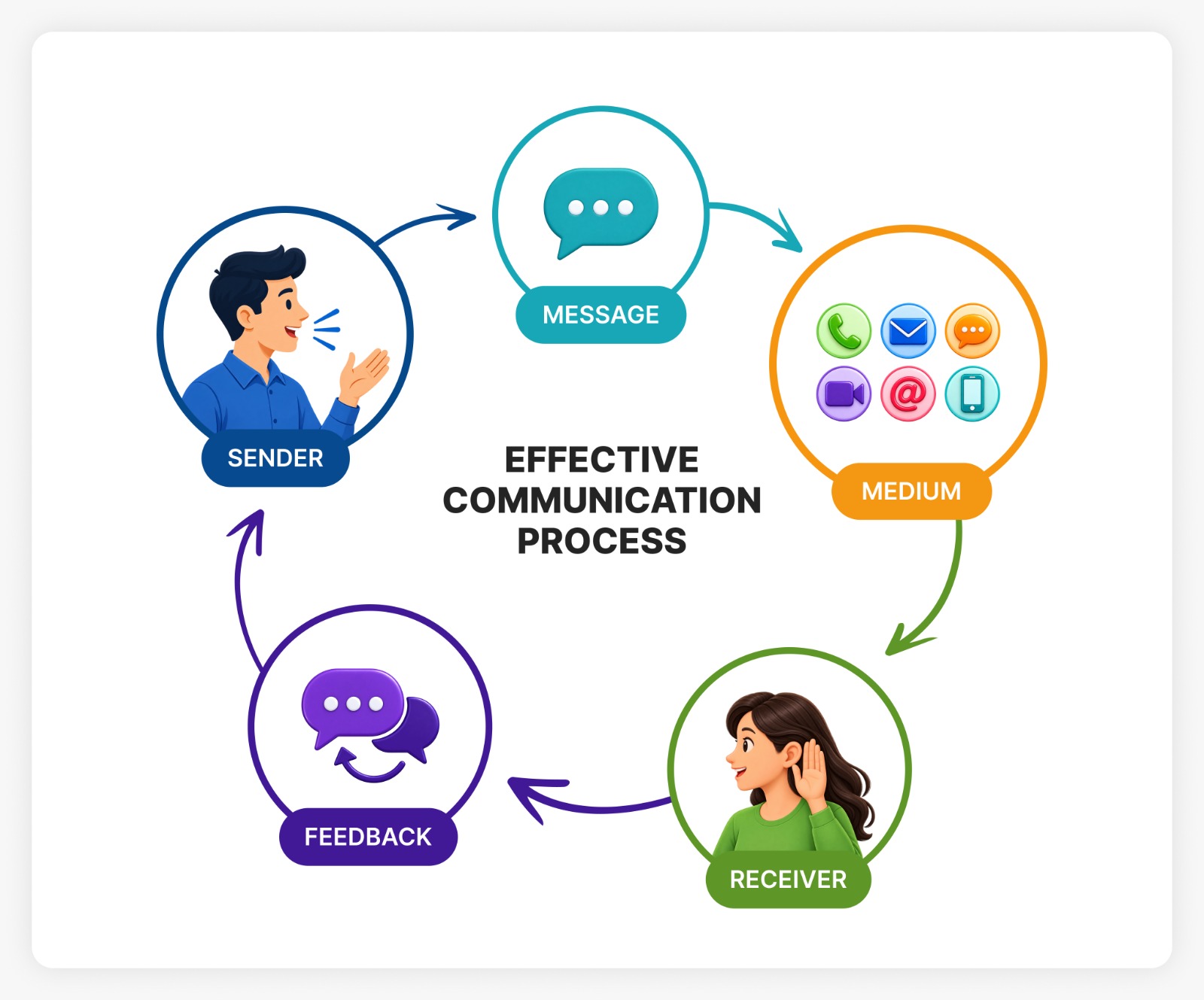
Every business boardroom and classroom brings together people with different ideas, opinions, and perspectives. When multiple voices contribute to a discussion, clear communication becomes essential to ensure everyone is understood and aligned.
However, effective communication is not always easy to achieve. Communication barriers can arise at any stage of communication in workplaces or classrooms due to differences in people, circumstances, or the communication process.
Eventually, communication barriers can cause confusion, delays, and poor decision-making, making it harder to achieve the desired outcome.
What Are Communication Barriers?
Communication barriers are obstacles that interfere with verbal and nonverbal communication. They can distort, delay, or completely block the intended message or information, causing misunderstandings, confusion, and ineffective communication between individuals or teams.
Effective communication influences every aspect of a business. When communication barriers occur, their effects extend far beyond misunderstandings, impacting workplace relationships, customer satisfaction, and decision-making. Poor communication can disrupt the entire flow of business operations.
Types of Barriers to Effective Communication
Before resolving a communication barrier, it is crucial to understand and identify its root cause. Understanding why an obstacle exists in the communication process makes it easier to address the underlying issue and improve communication. Here, you will discover different types of communication barriers that can arise due to various factors.
Physical Barriers
Physical barriers are obstacles present in the surrounding environment where communication is taking place. A physical barrier can be noise, distance, physical obstructions, or an unsuitable communication environment. These obstacles become communication barriers when noise prevents receivers from hearing a message, physical distance limits interaction, or physical obstructions make it difficult to communicate efficiently.
Language Barriers
Language barriers arise during interpersonal communication when one finds it difficult to understand another due to differences in language, vocabulary, or communication style. Differences in language, dialect, and pronunciation are primarily language barriers. Using technical jargon, complex vocabulary, and technical terms also makes it difficult for the receiver to understand the intended message.
Psychological Barriers
Our psychological state can also act as a communication barrier, especially when negative emotions and attitudes influence the way people express themselves. Emotions like stress, fear, anger, and low confidence can make it difficult to communicate clearly with others. A person with low self-esteem may hesitate to speak, or a manager with personal bias may dismiss constructive feedback. These are some examples of how psychological barriers impact effective communication in workplaces.
Cultural Barriers
As the name suggests, cultural barriers arise when people from different cultural backgrounds find it difficult to communicate effectively. It could be due to differences in beliefs or ways of expressing ideas. A person who communicates in a straightforward and direct manner may be perceived as rude or disrespectful by someone from a culture that values indirect and polite communication. Such differences in communication style and tone may lead to misunderstandings and ineffective communication.
Organizational Barriers
Organisational barriers are obstacles that disrupt effective communication in organisations. Complex reporting structures, lengthy approval processes, and poor coordination between departments are barriers to effective communication in organisations, which can delay the flow of information.
Perceptual Barriers
Perceptual barriers mainly stem from differences in the way people interpret a message because of their experiences, personal beliefs, expectations, and other factors. Constructive feedback from a manager may be perceived as criticism by one employee, while another may view it as an opportunity to improve. Such differences in perception can lead to misunderstandings and ineffective communication.
Technological Barriers
Technological barriers are caused by technology-related issues that disrupt communication. They occur when technology fails to convey a message effectively. Poor audio during an online meeting, internet outages, outdated software tools, or employees unfamiliar with communication tools can interrupt the flow of information. Any communication disrupted by technology-related issues is regarded as a technological barrier.
How to Overcome Communication Barriers
Communication barriers may seem challenging. But these challenges can be overcome by using actionable and sensible steps. Explore these tips to understand how individuals and businesses can minimise communication barriers for daily operations and activities.
Provide actionable tips:
Practice active listening: Listen attentively during conversations; avoid any distractions. Seek clarification for better clarity whenever required.
Speak clearly and confidently: Use simple, clear language when speaking. Make sure you are audible to people who are in the room.
Choose the right communication channel: Select the appropriate medium based on your message and audience.
Be concise and organised: Ensure that the speaker is clear and makes logical conversation in a structured manner to avoid confusion.
Encourage feedback: Invite questions and feedback in a friendly manner to avoid any misunderstanding in the early stage.
Improve emotional intelligence: Handle emotions professionally to avoid being enraged and respond to others with empathy and self-awareness.
Develop cultural awareness: Interact with people with diverse cultural backgrounds to understand and respect cultural differences and adapt to different cultural communication styles.
Strengthen non-verbal communication: Build up your non-verbal communication using appropriate eye contact, body expression, and hand gestures to reinforce your message.
Use technology effectively: Become familiar with digital tools used for communication and stay updated with technological improvements.
Tips to Improve Effective Communication Skills
Improving communication skills is one of the most effective ways to overcome communication barriers, reduce misunderstandings, build trust, and ensure messages are conveyed with clarity.
Read and write regularly.
Improve vocabulary.
Practice public speaking.
Participate in group discussions.
Observe body language.
Ask questions for clarification.
Build confidence through practice.
If you are struggling to strengthen your communication skills in your workplace or while attending interviews, consider a skill-upgrading program like Special 40 to enhance your communication skills and career in finance. This program can help you develop strong interactive skills, which in turn can help you become confident in expressing your ideas more clearly, participate in group discussions effectively, and make a stronger impression in interviews.
Breaking Communication Barriers
Communication barriers are common in every industry, but they are not impossible to overcome with the right approach. Identifying the cause of the barrier is the first step towards resolving a communication barrier. Communication skills, improved through active listening, empathy, and continuous practice, can reduce misunderstandings and strengthen workplace and interpersonal communication. Investing in communication skills is an investment in long-term personal and professional success.